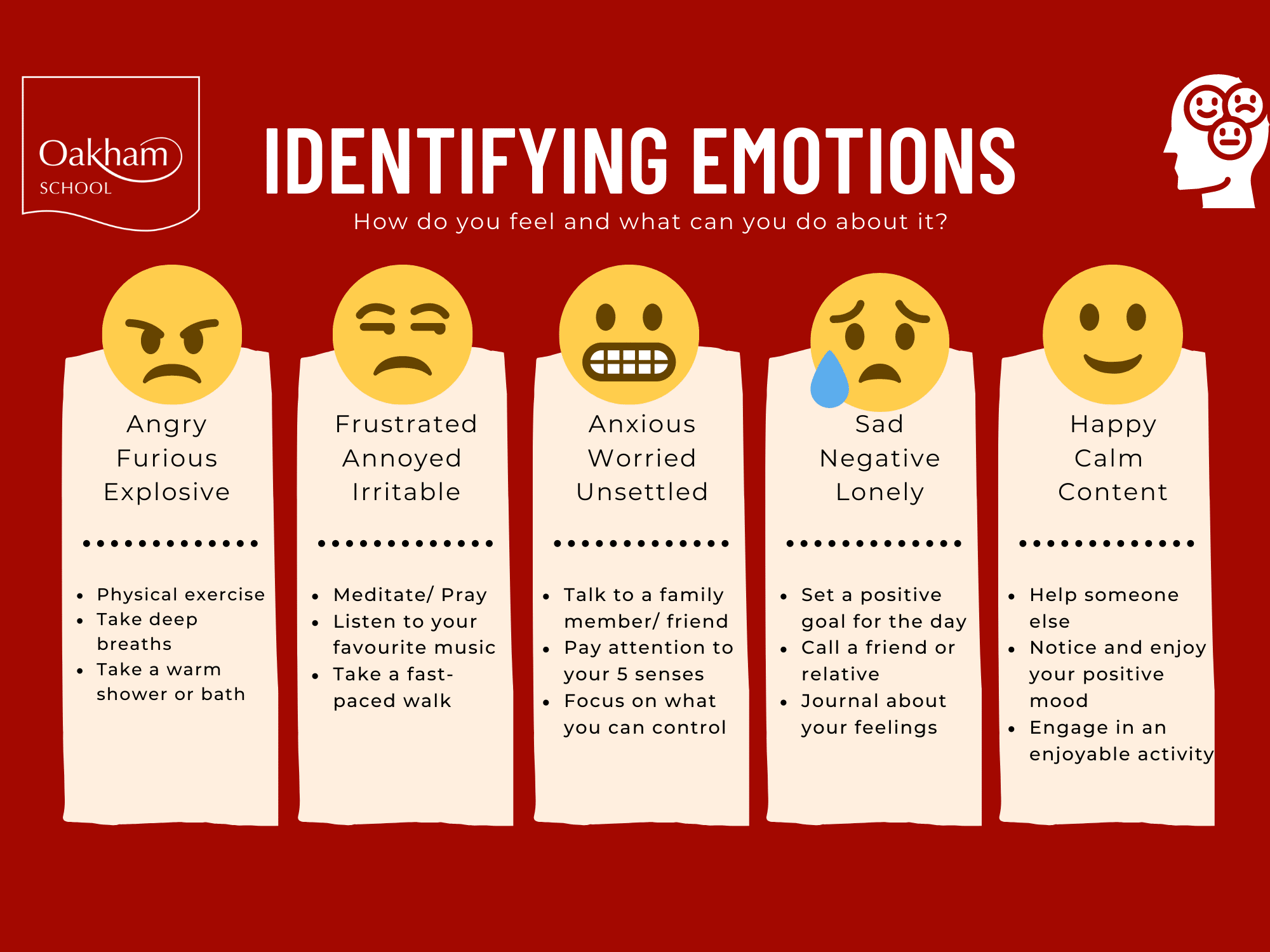
Understanding Her Emotions: A Key to Reconciliation
Reconciliation after a rift in a relationship is a delicate and challenging process. It requires both parties to be willing to put in the effort, communicate openly, and most importantly, understand each other's emotions. While it is common to focus on your own feelings and perspective during reconciliation, understanding her emotions is equally crucial. This article explores the significance of understanding her emotions and how it can pave the way for successful reconciliation.
The Power of Emotional Understanding
Understanding her emotions is not about simply knowing what she's feeling. It's about delving deeper, recognizing the root causes of her emotions, and empathizing with her perspective. By taking the time to truly understand her emotional landscape, you create a safe space for her to open up and express herself freely. This fosters a sense of validation and makes her feel heard and understood, laying the foundation for trust and genuine connection.
Active Listening and Empathy
Active listening is paramount in understanding her emotions. Pay attention not only to her words but also to her body language, tone of voice, and facial expressions. Ask open-ended questions that encourage her to elaborate on her feelings, and avoid interrupting or offering unsolicited advice. Instead, demonstrate empathy by acknowledging her emotions and validating her experiences. Phrases like, "I can see how that would make you feel," or "I understand why you're upset," can be powerful in creating a sense of connection.
The Importance of Validation
Validating her emotions means acknowledging their legitimacy and significance. It does not necessarily imply agreement with her perspective but rather a recognition of her right to feel the way she does. Avoiding dismissal or minimization of her emotions is crucial. For instance, instead of saying, "Don't be upset, it's not that big of a deal," try acknowledging her feelings with, "I see you're upset, and it's important to me that you feel heard." Validation communicates respect for her feelings and paves the way for open and honest dialogue.
Avoiding Defensive Reactions
When faced with her emotions, it's natural to feel defensive, especially if they are directed at you. However, defensiveness shuts down communication and hinders reconciliation. Instead of getting defensive, strive to remain calm, open, and receptive. Try to see her emotions from her perspective without taking them personally. This will allow you to engage constructively and work towards understanding and resolution.
Building Bridges through Empathy
Understanding her emotions is not just about her. It's about strengthening the bond between you. Empathy allows you to step into her shoes, see the world from her perspective, and appreciate her feelings, even if they are different from yours. This shared understanding creates a sense of connection and helps build bridges of trust and intimacy.
The Path to Reconciliation
Reconciliation is a journey that requires both parties to be willing to engage in open communication, express their emotions honestly, and most importantly, understand and validate each other's feelings. By prioritizing understanding her emotions, you create a supportive and empathetic environment that fosters trust and connection, setting the stage for a successful and lasting reconciliation.
0 comments:
Post a Comment
Note: Only a member of this blog may post a comment.