
Tuesday, November 26, 2024

How to Let Go of Someone with Compassion and Kindness

How to Let Go of Someone with Compassion and Kindness

Letting Go with Compassion and Kindness: A Guide to Navigating Loss and Moving Forward

The experience of letting go, whether it involves the end of a relationship, the death of a loved one, or the relinquishment of a cherished ambition, is a fundamental aspect of the human condition. While often fraught with pain and difficulty, the process can be navigated with grace and understanding. This guide explores a compassionate and kind approach to letting go, emphasizing self-compassion and a mindful engagement with the emotional landscape.

Understanding the Stages of Letting Go

Acknowledging that the process of letting go is not linear but rather a journey with its own unique phases is crucial. Expecting a swift and seamless transition is unrealistic and can lead to increased self-criticism and prolonged suffering. Recognizing the various stages allows for a more compassionate and self-accepting approach.

Denial and Numbness

Initially, denial and a sense of numbness are common responses to loss. The mind may struggle to process the magnitude of the situation, resorting to avoidance mechanisms as a temporary coping strategy. This stage is not a sign of weakness but a natural defense mechanism. Allow yourself to experience these feelings without judgment, recognizing them as a temporary phase in the healing process.

Anger and Resentment

As the initial numbness subsides, anger and resentment may surface. These emotions are often directed at oneself, the person or situation involved in the loss, or even a higher power. It's important to acknowledge and validate these feelings without acting upon them in harmful ways. Journaling, engaging in physical activity, or seeking support from a trusted friend or therapist can be helpful coping mechanisms during this phase.

Bargaining and Negotiation

In the bargaining stage, individuals may attempt to negotiate with fate or a higher power, searching for ways to undo or alter the situation. This phase often involves "what ifs" and "if onlys," highlighting the struggle to accept the reality of the loss. While these thoughts are natural, it's important to gently redirect focus towards acceptance and moving forward.

Depression and Sadness

The experience of sadness and depression is a normal part of grieving. Allow yourself to feel these emotions fully, recognizing that they are a natural response to loss. Suppression of these feelings can prolong the healing process. Engage in self-care practices, such as spending time in nature, listening to calming music, or practicing mindfulness, to navigate this challenging phase.

Acceptance and Integration

The final stage, acceptance, is not about forgetting or erasing the loss, but rather integrating it into one's life narrative. This involves finding a way to live with the pain and loss, while simultaneously embracing new possibilities and opportunities for growth. It is a gradual process that requires patience, self-compassion, and a willingness to move forward.

Cultivating Compassion and Kindness During the Letting Go Process

Letting go is rarely easy. The path involves navigating a complex emotional landscape. A compassionate and kind approach emphasizes self-compassion, empathy, and a willingness to embrace vulnerability.

Practicing Self-Compassion

Treat yourself with the same kindness and understanding you would offer a close friend facing a similar situation. Avoid self-criticism and judgment, recognizing that the experience of loss is a universal one. Acknowledge your feelings without attempting to suppress or minimize them.

Embracing Vulnerability

Allow yourself to feel the full spectrum of emotions without attempting to shield yourself from the pain. Vulnerability is not a sign of weakness but rather an indication of strength and courage. Share your feelings with trusted friends, family members, or a therapist, creating a space for emotional processing and support.

Forgiving Yourself and Others

Holding onto resentment and anger can significantly impede the healing process. Forgiving yourself for any perceived mistakes or shortcomings and extending forgiveness to others involved in the loss is crucial for emotional liberation. Forgiveness doesn't necessarily mean condoning actions; rather, it's about releasing the burden of resentment and allowing yourself to move forward.

Prioritizing Self-Care

Engage in self-care practices that nourish your physical, emotional, and spiritual well-being. These may include:

  • Regular exercise
  • Healthy eating habits
  • Adequate sleep
  • Mindfulness and meditation
  • Spending time in nature
  • Engaging in hobbies and activities that bring joy
  • Seeking professional support from a therapist or counselor

Strategies for Letting Go

The following strategies can assist in navigating the process of letting go with compassion and kindness:

Journaling

Regular journaling provides a safe space to process emotions, explore thoughts, and track progress. Writing can help clarify feelings, identify patterns of thinking, and gain a sense of perspective.

Mindfulness and Meditation

Mindfulness practices help cultivate awareness of present-moment experience without judgment. Meditation can assist in calming the nervous system, reducing anxiety, and promoting emotional regulation.

Seeking Support

Connect with trusted friends, family members, or support groups. Sharing your experience with others can provide comfort, validation, and a sense of community. Consider seeking professional help from a therapist or counselor for guidance and support.

Setting Boundaries

Establishing healthy boundaries is crucial for protecting your emotional well-being. This involves limiting contact with individuals or situations that trigger negative emotions or hinder your healing process.

Creating New Meaning and Purpose

As you navigate the process of letting go, focus on creating new meaning and purpose in your life. Explore new interests, engage in activities that bring joy, and connect with your values and aspirations.

Celebrating the Memories

While letting go is essential, it doesn't mean forgetting. Acknowledge and celebrate the positive memories associated with the person, situation, or object you are letting go of. This can provide a sense of closure and peace.

Conclusion

Letting go is a complex and often painful process. However, by approaching it with compassion and kindness towards oneself and others, the journey can become one of growth, self-discovery, and healing. Remember that the process is unique to each individual and requires patience, self-acceptance, and a commitment to self-care. Seeking professional support can be invaluable in navigating the challenges and fostering a compassionate and kind approach to letting go.

Breakups and Grief: Recognizing the Stages of Loss

Breakups and Grief: Recognizing the Stages of Loss

Breakups and Grief: Recognizing the Stages of Loss

The dissolution of a romantic relationship, regardless of its duration or intensity, constitutes a significant loss. While societal narratives often minimize the impact of breakups, particularly on the individual deemed "the dumper," the emotional experience frequently mirrors the stages of grief associated with the death of a loved one. Understanding these stages can provide valuable insight into the healing process and offer a framework for navigating the complex emotional landscape of heartbreak.

The Illusion of Linearity: Understanding the Stages of Grief

It is crucial to preface any discussion of grief stages by emphasizing their non-linearity. The Kübler-Ross model, often cited in relation to bereavement, suggests five stages: denial, anger, bargaining, depression, and acceptance. However, applying this model rigidly to breakups can be misleading. Individuals rarely progress through these stages in a sequential, predictable manner. Instead, they may experience a fluctuating blend of emotions, revisiting certain stages multiple times and experiencing them with varying intensity. Some individuals might skip stages altogether, while others may dwell on a particular stage for an extended period. This fluidity is normal and reflects the complex interplay of individual personality, relationship dynamics, and coping mechanisms.

The Variability of Experience

The intensity and duration of grief following a breakup are influenced by numerous factors. The length of the relationship, the nature of the separation (mutual agreement versus betrayal), the level of emotional investment, pre-existing mental health conditions, and available social support all play significant roles. A long-term relationship involving shared life experiences, financial entanglements, and intertwined social circles will naturally elicit a more profound and protracted grieving process than a brief, casual romance.

The Significance of Individual Differences

Furthermore, individual coping styles significantly shape the experience of grief. Some individuals utilize avoidance coping mechanisms, attempting to suppress emotions and distract themselves from the pain. Others engage in approach-oriented coping, directly confronting their emotions and actively seeking support. These differences in coping styles do not signify a superior or inferior approach to healing; rather, they represent individual variations in processing emotional distress.

Exploring the Stages in the Context of Breakups

While acknowledging the non-linear nature of grief, examining the stages within the context of breakups can offer a useful framework for self-understanding and emotional regulation.

Denial and Shock

Initially, individuals may experience a state of disbelief or numbness. The reality of the separation might feel surreal, with a tendency to minimize its impact or engage in wishful thinking. This denial serves as a temporary buffer, allowing the individual to cope with the overwhelming initial shock. It is a temporary defense mechanism, not an indication of unhealthy coping.

Anger and Resentment

As the initial shock subsides, anger often surfaces. This anger may be directed towards the former partner, oneself, or even external circumstances perceived as contributing to the breakup. This stage involves processing feelings of betrayal, hurt, and injustice. It is important to acknowledge these emotions rather than suppressing them, finding healthy outlets for expressing anger, such as exercise, journaling, or talking to a trusted friend or therapist.

Bargaining and Negotiation

This stage often involves attempts to undo the breakup or negotiate a different outcome. Individuals might replay past interactions, analyzing what they could have done differently, engaging in "what if" scenarios. This stage can be characterized by an attempt to regain control in a situation where control has been lost. While some reflection is healthy, excessive dwelling in this stage can hinder healing.

Depression and Sadness

The feelings of sadness and loss experienced during this stage can be intense. Symptoms of depression, such as lethargy, loss of appetite, sleep disturbances, and feelings of hopelessness, are common. It is crucial during this phase to practice self-compassion and seek support from friends, family, or professionals. Engaging in self-care activities, such as regular exercise, healthy eating, and sufficient sleep, is essential.

Acceptance and Moving On

Acceptance does not necessarily mean feeling happy or even indifferent about the breakup. It signifies a shift in perspective, accepting the reality of the situation and beginning to adjust to life without the former partner. It involves acknowledging the pain while simultaneously focusing on rebuilding one's life and cultivating new relationships and interests. This stage is a gradual process that can take considerable time, often requiring support from others and the development of healthy coping strategies.

Strategies for Navigating the Grief Process

Successfully navigating the grief associated with a breakup requires a proactive and self-compassionate approach. Several strategies can facilitate healing:

  • Seek social support: Talking to trusted friends, family members, or joining support groups can provide valuable emotional support and a sense of community.
  • Engage in self-care: Prioritize physical and emotional well-being through activities such as exercise, healthy eating, sufficient sleep, and engaging in hobbies.
  • Limit contact with the former partner: Minimizing contact, especially during the early stages of grief, can facilitate healing and reduce emotional distress.
  • Journaling: Writing down thoughts and feelings can provide emotional release and clarity.
  • Seek professional help: A therapist can provide guidance, support, and coping strategies tailored to individual needs.
  • Practice self-compassion: Acknowledge and validate the pain and emotions experienced, avoiding self-criticism or judgment.
  • Focus on personal growth: Utilize this time for self-reflection, personal development, and exploring new interests and opportunities.
  • Celebrate small victories: Acknowledge and celebrate personal achievements and milestones along the healing journey.

The healing process following a breakup is unique to each individual. While understanding the potential stages of grief can provide a valuable framework, it's essential to remember that there is no right or wrong way to grieve. Allowing oneself time, patience, and compassion are crucial for navigating this challenging emotional landscape and ultimately emerging stronger and more resilient.

How to Get Your Ex Back When They’re Giving You Mixed Signals

How to Get Your Ex Back When They’re Giving You Mixed Signals

Decoding the Mixed Signals: Getting Your Ex Back When They're Playing Hard to Get (or Maybe Not?)

So, your ex is giving you mixed signals. Ugh, I know, it's the absolute worst. One minute they're acting cold, the next they're flirty and seemingly interested. It's enough to drive anyone crazy! You're left wondering: are they playing games? Are they really considering getting back together? Or are you just setting yourself up for more heartache?

The truth is, mixed signals are incredibly common in post-breakup situations. It's a messy, emotional time for everyone involved. There's no easy answer, no magic spell to make them suddenly confess their undying love. But, there *are* things you can do to navigate this confusing terrain and, hopefully, increase your chances of getting back together. This isn't about manipulation; it's about understanding their behavior and responding in a way that respects both of you.

Understanding the Root of the Mixed Signals

Before we dive into strategies, let's try to understand *why* your ex might be sending mixed signals. It's rarely malicious; it's often a reflection of their own internal struggle:

They're Still Processing the Breakup

Breakups are tough. They might be going through a range of emotions â€" regret, anger, sadness, loneliness â€" all at once. They may be unsure of their feelings, still processing what happened, and unsure of what they want. Their mixed signals are a reflection of this internal turmoil.

They're Enjoying the Attention

Let's be honest, sometimes people enjoy the attention they get after a breakup. They might enjoy the validation of knowing someone still cares, even if they aren't ready to commit. This isn't necessarily about you; it's about them managing their own ego and emotional state.

They're Keeping Their Options Open

They might be dating other people or considering other options. They're not fully committed to the idea of reconciliation, but they aren't ready to completely shut the door either. This is a classic case of keeping you on the back burner.

They're Testing the Waters

They might be subtly testing your reaction to see if you're still interested, if you've changed, or if you're still the same person they broke up with. This is a way of gauging the potential for a reunion without fully committing.

How to Respond to Mixed Signals

Now that we've explored some potential reasons behind the mixed signals, let's look at how you can respond effectively. Remember, patience and respect are key. This isn't a race; it's a delicate process.

Give Them Space (But Not Too Much)

This is crucial. Don't bombard them with messages or calls. Give them the space they need to process their emotions. However, completely disappearing isn't the answer either. Maintain a respectful distance, but don't vanish completely. A casual "hey" or a like on their social media post every now and then can subtly remind them of your presence without being overwhelming.

Focus on Yourself

This is probably the most important piece of advice. While you're navigating these mixed signals, focus on your own well-being. Work on your personal growth, pursue your hobbies, spend time with friends and family. This will not only make you a more attractive person but also show your ex that you're not solely dependent on them for happiness.

Be Confident and Approachable

Confidence is attractive. When you interact with your ex, be confident but not arrogant. Be approachable and friendly, but don't be desperate. Let them initiate conversations sometimes. This shows that you value yourself and aren't just waiting around for them.

Observe and React Accordingly

Pay close attention to their actions and words. Are they actively engaging in conversation? Do they initiate contact? Do they seem genuinely happy to see you? React appropriately based on their actions. If they're cold, give them space. If they're warm, reciprocate. Avoid jumping to conclusions; let their actions guide your response.

Set Boundaries

It's important to set clear boundaries for yourself. Don't let them string you along. If their actions consistently contradict their words, or if they are clearly not ready to commit, it's time to step back and prioritize your own emotional well-being. Your happiness shouldn't be dependent on someone who's giving you mixed signals.

Signs They Might Actually Want Back Together

While mixed signals are confusing, there are some positive signs to look out for:

  • They initiate contact more often.
  • They ask about your life and seem genuinely interested in your well-being.
  • They flirt with you.
  • They mention shared memories fondly.
  • They express regret about the breakup.
  • They spend quality time with you, one-on-one.
  • Their body language is positive and engaging (eye contact, smiling, etc.).

If you're seeing several of these signs consistently, it suggests a greater chance of reconciliation. However, it's crucial to remember that actions speak louder than words. Don't rely solely on their words; observe their behavior.

When to Walk Away

Sometimes, no matter how much you want things to work out, it's just not meant to be. Here are some signs that it might be time to move on:

  • They consistently give you mixed signals and show no signs of changing their behavior.
  • They are actively dating other people and showing no interest in exclusivity with you.
  • They are disrespectful of your time and emotions.
  • They are unwilling to address the issues that led to the breakup.
  • You feel consistently unhappy and unfulfilled.

Walking away is never easy, but it's crucial for your mental health and well-being. Don't waste your time and energy on someone who isn't fully committed to you.

Frequently Asked Questions

Q: How long should I wait before contacting my ex again?

A: There's no magic number. It depends on the circumstances of the breakup and how much space your ex needs. A week or two is generally a good starting point, but if they've indicated they need more time, respect that.

Q: What if my ex is dating someone else?

A: This makes things more complicated. It's important to respect their current relationship and not try to interfere. Focus on your own healing and growth. If they are genuinely interested in getting back together, they will likely address the situation.

Q: Should I tell my ex how I feel?

A: It depends on the context. If you feel it's appropriate and you have a good feeling about their openness, a heartfelt and honest conversation can be beneficial. However, avoid pressuring them or making them feel cornered.

Q: What if my ex is giving me hope but nothing concrete?

A: This is the definition of mixed signals. Be cautious. While some level of hope is natural, don't let it blind you to the lack of concrete actions. Focus on your own well-being and don't let their inconsistent behavior consume you.

Q: How do I know if I should try to get them back or move on?

A: This is a personal decision. Weigh the pros and cons, consider the history of your relationship, and most importantly, listen to your gut feeling. If the relationship feels draining or toxic, moving on is often the healthier choice.

Remember, getting your ex back is not guaranteed, and it shouldn't be your sole focus. Prioritizing your own happiness and well-being is always the most important thing. Good luck!

Monday, November 25, 2024

Moving Forward With Confidence: Dating After a Breakup

Moving Forward With Confidence:  Dating After a Breakup

Moving Forward With Confidence: Dating After a Breakup

Okay, so your heart's a little bruised, maybe a lot bruised. You've been through a breakup, and the thought of putting yourself back out there? Terrifying. Totally understandable. But guess what? You're amazing, you deserve happiness, and you absolutely can navigate this. This isn't some impossible quest; it's a journey, and I'm here to help you pack your bags (metaphorically, of course, unless you're planning a spontaneous trip to forget your ex â€" which, hey, sometimes works!).

Taking Time for You: The Essential Self-Care Phase

Before you even think about swiping right, you've got to focus on you. This isn't about wallowing; it's about rebuilding and rediscovering yourself. Think of it as a pre-game warm-up before the big dating game.

Embrace the "Me Time"

Do the things that make you happy. Binge-watch your favorite show, read that book you've been meaning to get to, take long walks in nature, start a new hobby â€" anything that brings you joy and helps you relax. Don't underestimate the power of a good cry (get it all out!), followed by a long, hot bath. Seriously, try it.

Reconnect with Friends and Family

Lean on your support system. Talk to your friends and family. Let them be your cheerleaders, your shoulder to cry on, your sounding board. They love you and want to see you thrive. Don't isolate yourself; connection is key during this time.

Journaling: Your Emotional Outlet

Get those feelings out! Journaling can be incredibly therapeutic. Write about what you're feeling, what you've learned from the relationship, and what you want for your future. It's a great way to process your emotions and gain clarity.

Redefining "Ready": Knowing When You're Actually Ready

There's no magic number of weeks or months. "Ready" isn't a destination; it's a feeling. You'll know when you're ready when you:

  • Genuinely feel good about yourself and your life.
  • Are not constantly comparing potential dates to your ex.
  • Are dating for yourself, not to fill a void.
  • Feel excited, not anxious, about the prospect of meeting new people.

If you're still obsessively checking your ex's social media or feeling incredibly down about the breakup, you might need a little more time. That's okay! There is no rush. It's better to wait until you're truly ready than to jump back into the dating world before you've healed.

Entering the Dating World: Tips and Tricks

Okay, you've done the self-care work, and you're feeling confident. Now it's time to dip your toes back into the dating pool. Here's how to make a splash (in a good way):

Update Your Profile(s)

Choose photos that showcase your personality and reflect your current self. Write a bio that's honest, engaging, and reflects your interests. Avoid overly negative or overly boastful language. Keep it genuine and positive!

Be Open to Different Types of People

Don't limit yourself. You might be surprised by who you connect with. Expand your horizons and try meeting people in different ways â€" through friends, hobbies, dating apps, or even just striking up conversations with interesting people you meet in your daily life.

Focus on Connection, Not Perfection

Dating is a numbers game. Not every date will be a match, and that's okay. Focus on having fun and getting to know people. Don't put too much pressure on each date to be "the one". Enjoy the process of getting to know someone new.

Communicate Your Needs and Boundaries

It's crucial to be upfront about what you're looking for and what you're comfortable with. This is not just about protecting yourself, it's about making sure you're attracting people who respect you and your boundaries. Don't be afraid to say no if something doesn't feel right.

Remember Your Worth

This might be the most important tip of all. Remember how amazing you are! You deserve to be with someone who appreciates you for who you are, flaws and all. Don't settle for anything less than you deserve.

Navigating the First Few Dates

The first few dates can feel nerve-wracking, but try to relax and be yourself. Remember you deserve to be happy and deserve someone who sees your worth!

  • Choose activities that allow for conversation and connection.
  • Be present and engaged in the date.
  • Communicate openly and honestly.
  • Don’t be afraid to end a date if it’s not a good fit.

Dating after a breakup is a journey of self-discovery and growth. Take your time, be kind to yourself, and celebrate your progress along the way. You've got this!

Commonly Asked Questions

Q: How long should I wait before dating again after a breakup?

A: There's no set timeframe. Focus on your emotional well-being. When you feel happy, confident, and ready to share your life with someone new, then you know you're ready.

Q: What if I keep comparing new people to my ex?

A: This is common! Acknowledge the comparison, but gently redirect your focus. Try to concentrate on the unique qualities of the person you're currently dating. Remind yourself that everyone is different.

Q: How do I know if I'm ready to move on?

A: You'll know when you feel genuinely happy and excited about the future, without constantly dwelling on the past. You should be able to think about your ex without experiencing intense sadness or anger.

Q: What if I get rejected?

A: Rejection is a part of dating. Don't take it personally. Remember your worth and keep moving forward. Each "no" brings you closer to a "yes".

Q: How do I protect myself while dating after a breakup?

A: Always meet in public places for your first few dates. Let a friend or family member know where you're going and who you're meeting. Trust your instincts. If something feels off, it's okay to end the date early.

The Role of Kindness in Relationship Longevity

The Role of Kindness in Relationship Longevity

The Unexpected Power of Kindness: Fueling Long-Lasting Relationships

We often hear about passion, communication, and shared goals as cornerstones of successful relationships. While these elements are undeniably crucial, one often-underestimated ingredient deserves a spotlight: kindness. It's not just about grand gestures; it's the quiet, consistent acts of consideration that weave a strong and resilient bond. Kindness acts as a buffer against conflict, fosters mutual respect, and cultivates a deep sense of emotional safety, ultimately contributing significantly to the longevity and overall happiness of a relationship.

Kindness as a Relationship Buffer

Even the strongest relationships encounter disagreements. Arguments are inevitable, but the way partners navigate these conflicts significantly impacts the relationship's health. Kindness provides a crucial buffer during these challenging times. Instead of resorting to harsh words or accusatory tones, a kind approach involves active listening, empathy, and a willingness to understand the other person's perspective. This doesn't mean condoning bad behavior, but rather addressing the issue with respect and compassion. For example, instead of launching into a critique, a kind partner might say, "Honey, I noticed you've been stressed lately, and I'm worried. Can we talk about what's going on?" This approach de-escalates tension and fosters a collaborative problem-solving environment.

Cultivating Mutual Respect Through Kindness

Respect forms the bedrock of any healthy relationship, and kindness plays a pivotal role in its cultivation. Small acts of kindnessâ€"like making your partner's coffee in the morning, offering to help with chores, or simply listening attentivelyâ€"demonstrate care and consideration. These actions speak volumes, communicating that you value your partner's time, energy, and feelings. Consistent acts of kindness build a foundation of mutual respect, fostering a sense of partnership based on appreciation rather than obligation. This mutual respect, in turn, translates to greater understanding, patience, and a stronger emotional connection.

Practical Examples of Kind Actions

Kindness doesn't require extravagant gestures. It resides in the everyday details. Consider these examples:

  • Leaving a loving note.
  • Offering a helping hand with a difficult task.
  • Giving a thoughtful gift, big or small.
  • Prioritizing quality time together, free from distractions.
  • Expressing gratitude for your partner's contributions.

Kindness: The Foundation of Emotional Safety

In a kind relationship, both partners feel safe to be vulnerable, to express their needs and fears without judgment. This emotional safety is paramount for fostering intimacy and trust. Kindness creates a space where imperfections are accepted, mistakes are forgiven, and growth is encouraged. Knowing that your partner consistently acts with kindness creates a sense of security and allows for deeper emotional connection. This secure base promotes open communication, allowing partners to navigate challenges together and emerge stronger.

In conclusion, while passion and communication are crucial, kindness acts as the essential glue that holds a relationship together over time. It's the unwavering commitment to treating your partner with respect, compassion, and understanding that ultimately determines the longevity and happiness of your bond. By prioritizing kindness in your relationship, you invest in a future built on mutual respect, emotional safety, and lasting love.

Sunday, November 24, 2024

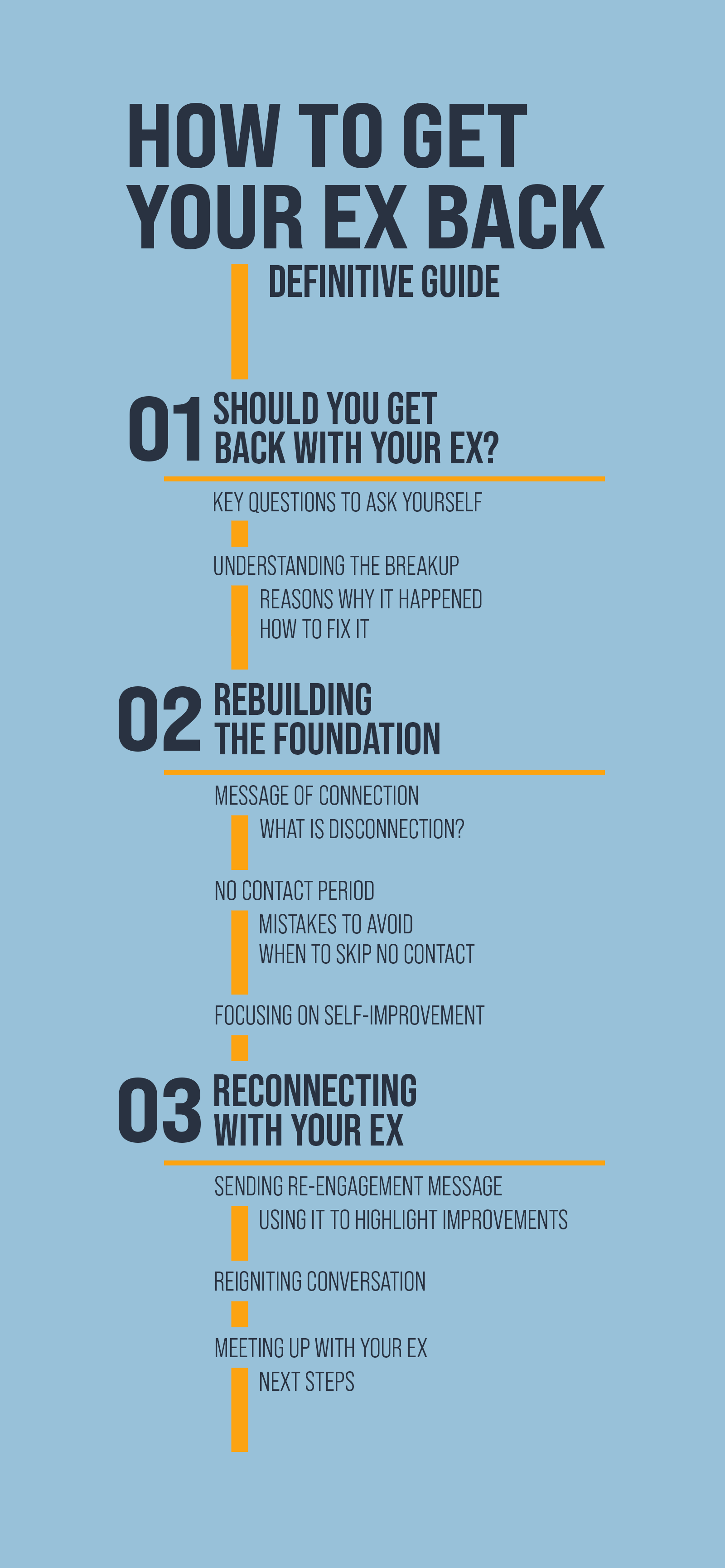
Ex-Appeal 101: How to Make Your Ex Want You Back

Ex-Appeal 101: How to Make Your Ex Want You Back

Ex-Appeal 101: How to Make Your Ex Want You Back

Okay, so your heart's shattered, your Instagram feed is a minefield of "moving on" posts, and you're desperately scrolling through old photos wondering what went wrong. You want your ex back. I get it. It stings, it sucks, and it feels impossible. But before you start blasting sad songs at 3 AM, let's talk strategy. This isn't about manipulation; it's about understanding yourself, understanding your relationship, and presenting the best version of yourself â€" a version that might just reignite the spark.

This isn't a guaranteed win, mind you. Sometimes, things are truly over. But if there's a flicker of hope, a chance of rekindling something real, this guide is for you. Let's dive in.

Phase 1: The Self-Reflection Reset

Before you even *think* about contacting your ex, you need to take some serious time for self-reflection. This isn't about blaming yourself (though acknowledging your part is crucial), it's about understanding what happened and how you can grow from it.

Honest Self-Assessment: What Went Wrong?

Grab a notebook, a journal, whatever works. Be brutally honest with yourself. What were the issues in the relationship? Were you too clingy? Did you neglect their needs? Did you have communication problems? Did external factors play a role? Don't sugarcoat it; face the uncomfortable truths. This isn't about wallowing in self-pity, but about identifying areas for improvement.

Identifying Your Role: Owning Up

Okay, so you've identified the problems. Now, what was *your* contribution? We all make mistakes in relationships. Identifying yours is crucial. Did you contribute to the arguments? Did you ignore red flags? Owning up to your part, without making excuses, shows maturity and self-awarenessâ€"qualities that are incredibly attractive.

Setting Realistic Expectations: It's Not a Guarantee

Let's be clear: there's no magic formula. There's no guarantee they'll want you back. Accepting this reality is important. This process is about making *yourself* better, improving *your* life, and giving yourself the best possible chance. If they come back, great! If not, you'll be in a much better place than you were before.

Phase 2: The No-Contact Rule (and How to Actually Do It)

The no-contact rule isn't about playing games. It's about giving both of you space to heal, reflect, and miss each other. It also allows you to work on yourself without the distraction of their presence.

The Importance of Space: Healing and Growth

This is crucial. Constant contact only prolongs the pain and prevents both of you from moving on. The time apart allows you to heal from the breakup and focus on becoming the best version of yourself. Think of it as a reset button.

Resisting the Urge: Tips and Tricks

This is tough. You'll be tempted to check their social media, text them, or call them. Here's how to resist:

  • Delete their number (at least temporarily).
  • Unfollow them on social media.
  • Keep yourself busy: Focus on hobbies, friends, and self-improvement.
  • Find a support system: Talk to friends and family.
  • Allow yourself to grieve: Don't suppress your emotions.
  • Duration of No Contact: How Long Is Too Long?

    There's no magic number. A general guideline is 30-60 days, but this can vary depending on the length and intensity of the relationship. Listen to your gut. If you feel ready to reach out, then do soâ€"but do it strategically (more on that later).

    Phase 3: The Strategic Re-Entry

    Once the no-contact period is over, it's time for a strategic re-entry. This isn't about bombarding them with messages; it's about subtly reintroducing yourself into their life in a positive way.

    Subtle Contact: The Art of the Casual Encounter

    Don't jump straight into intense conversations. Start with something low-key â€" a simple "Hey, how are you doing?" Perhaps you bump into them at a mutual friend's gathering. Keep it brief, positive, and focused on them. Show you're interested in their well-being, not just in getting them back.

    Show, Don't Tell: Demonstrating Your Growth

    Actions speak louder than words. Demonstrate your growth through your actions. Are you healthier? More successful? More confident? Let them see the positive changes you've made, but don't explicitly brag about it. Let your improved self speak for itself.

    Maintaining Boundaries: Respecting Their Space

    Even if they show interest, respect their boundaries. Don't pressure them. If they aren't ready, accept it gracefully. Respectful behavior shows maturity and consideration.

    Phase 4: Rekindling the Connection (If They're Open)

    If they show interest in reconnecting, proceed with caution. This isn't a race; it's about building a stronger foundation.

    Meaningful Conversations: Addressing Past Issues

    If you're going to have a serious conversation, address the past issues honestly and constructively. Apologize sincerely for your mistakes, but don't dwell on them. Focus on what you've learned and how you've changed.

    Rebuilding Trust: Patience and Consistency

    Rebuilding trust takes time and consistent effort. Be reliable, communicate openly, and be mindful of their feelings. Show through your actions that you're committed to a better relationship.

    Setting Boundaries: A Healthy Relationship

    Remember to set healthy boundaries. This isn't about you controlling them; it's about creating a space where both of you feel respected and valued. It's essential for a long-lasting and healthy relationship.

    Frequently Asked Questions

    Q: What if my ex is dating someone else?

    A: This is tough, but it's not necessarily a deal-breaker. Focus on being the best version of yourself. If there's a genuine connection, they'll likely notice.

    Q: How long should I wait before contacting my ex after the no-contact period?

    A: There's no magic number. Trust your gut. Wait until you feel confident and ready to reconnect, not out of desperation.

    Q: What if my ex rejects me after I reach out?

    A: This is painful, but it's important to accept their decision. Respect their feelings, and focus on moving forward with your life. Remember, you've already improved yourself through this process.

    Q: Is this about manipulating my ex?

    A: Absolutely not. This is about personal growth and presenting yourself authentically. If they choose to reconnect, it's because they see the value in the improved version of you.

    Q: What if I don't want to get back together, but just want closure?

    A: A calm and respectful conversation might help. Focus on expressing your feelings and seeking understanding, rather than trying to change their mind.

    Remember, this journey is about self-improvement and creating the best possible version of yourself. Whether or not your ex returns, you'll emerge stronger and more resilient than before. Good luck!

    Rebuilding Trust: How to Win Back Your Ex After a Breakup

    Rebuilding Trust: How to Win Back Your Ex After a Breakup

    Rebuilding Trust: How to Win Back Your Ex After a Breakup

    The termination of a romantic relationship, often marked by emotional turmoil and a sense of loss, can leave both parties grappling with the aftermath. While some breakups are amicable and cleanly severed, others leave a trail of hurt feelings, broken promises, and shattered trust. Reclaiming a relationship after such a rupture requires a profound understanding of the damage inflicted and a concerted effort to rebuild the foundation of trust. This endeavor demands introspection, patience, and a demonstrable commitment to change. Winning back an ex is not guaranteed, and it requires a realistic assessment of the situation and a willingness to accept the possibility of failure. However, with careful planning and diligent execution, it is possible to navigate the complex path toward reconciliation.

    Understanding the Fracture: Identifying the Root Causes

    Before embarking on the journey of reconciliation, a thorough examination of the reasons behind the breakup is crucial. Simply expressing remorse without genuine understanding of the contributing factors will likely prove ineffective. This introspection necessitates honest self-reflection, potentially aided by journaling or seeking guidance from a therapist.

    Identifying Personal Shortcomings

    It's imperative to identify and acknowledge personal shortcomings that contributed to the relationship's demise. Was there infidelity? Did consistent patterns of poor communication or disrespectful behavior erode the relationship's foundation? Honest self-assessment is paramount. Identifying these issues is the first step toward addressing them effectively.

    Addressing External Factors

    External stressors such as family conflicts, financial difficulties, or career pressures can significantly impact a relationship's stability. Acknowledging these external factors and their influence on the breakup provides a broader context for understanding the situation. It's important to demonstrate an understanding of how these pressures affected the dynamics and negatively impacted your partner.

    Understanding Your Ex's Perspective

    Reconciliation requires empathy and a genuine attempt to comprehend your ex's perspective. This necessitates actively listening to their concerns and validating their feelings, even if you don't fully agree with them. Avoid defensiveness and instead, focus on creating a safe space for open and honest communication.

    The Path to Reconciliation: Steps Towards Rebuilding Trust

    Once the underlying issues have been identified and acknowledged, the process of rebuilding trust can begin. This is a lengthy and demanding process requiring sustained effort and unwavering commitment.

    Giving Space and Respecting Boundaries

    After a breakup, allowing your ex space to process their emotions is crucial. Constant contact or attempts to pressure them into reconciliation will likely be counterproductive. Respecting their boundaries and allowing them time to heal demonstrates maturity and consideration. This is a vital step in demonstrating respect for their feelings and emotional well-being.

    Demonstrating Genuine Change

    Actions speak louder than words. Simply apologizing isn't enough; tangible changes in behavior are necessary to demonstrate a genuine commitment to growth. This might involve seeking professional help, joining support groups, or engaging in self-improvement activities. The goal is to show demonstrable progress in addressing the issues that led to the breakup.

    Consistent and Reliable Communication

    Effective communication is the cornerstone of any healthy relationship. Rebuilding trust necessitates consistent and reliable communication, characterized by honesty, empathy, and respect. Avoid accusatory or defensive language, and focus on expressing your feelings constructively. Active listening is paramount, ensuring you understand your ex's perspective before responding.

    Showcasing Patience and Persistence

    Rebuilding trust is a marathon, not a sprint. It requires patience, persistence, and an understanding that the process will take time. Setbacks are inevitable, and it’s important to navigate them with grace and understanding. Avoid becoming discouraged by temporary obstacles, and continue demonstrating your commitment to the process.

    Practical Steps for Demonstrating Commitment

    Beyond the emotional aspects of rebuilding trust, tangible actions are essential in demonstrating your commitment to reconciliation. These actions should directly address the issues that caused the breakdown of the relationship.

    Addressing Specific Complaints

    If your ex expressed specific complaints during the relationship, actively address them. This might involve changing harmful habits, seeking therapy to address underlying issues, or making significant lifestyle alterations. Demonstrate proactive steps to rectify the problems, showing your commitment to addressing the specific concerns raised.

    Seeking Professional Help

    Seeking professional guidance from a therapist or counselor can provide invaluable support during this challenging period. A therapist can provide tools and strategies for improving communication, managing conflict, and addressing underlying emotional issues that contributed to the breakup. This proactive step demonstrates a commitment to personal growth and the relationship's well-being.

    Creating Positive Experiences Together

    Once a foundation of trust has been established, gradually reintroducing positive experiences together can help reinforce the rebuilding process. These activities should be low-pressure and focused on creating shared positive memories. This approach helps rebuild a sense of connection and joy within the relationship.

    Accepting the Outcome: The Possibility of Failure

    Despite the best efforts, reconciliation is not always possible. It's crucial to accept the possibility of failure and respect your ex's decision if they choose not to rekindle the relationship. While this outcome can be painful, it's important to recognize that it doesn't diminish the value of the efforts made to rebuild trust. The lessons learned during this process can contribute to healthier relationships in the future.

    Ultimately, rebuilding trust after a breakup is a challenging but potentially rewarding journey. It requires self-reflection, consistent effort, and a genuine commitment to change. By focusing on understanding the root causes of the breakup, addressing personal shortcomings, and demonstrating genuine remorse and a commitment to growth, you can increase the chances of reconciliation. However, it's crucial to remember that the final decision rests with your ex, and respecting their choice is paramount.